UW SCIENCE EXPLORERS
  • Home
  • Lessons
    • Archived Lessons (2012- 2015)
    • Archived Lessons (2016 - 2017)
    • Archived Lessons (2017 - 2025) >
      • ARCHIVED LESSONS- 2022-2023
      • WINTER 22
      • SPRING 22
      • AUTUMN 24
      • WINTER 25
      • SPRING 2025
      • FALL 2025
      • WINTER 2026
  • Photos
  • Make a Donation
  • Blog
  • FALL 2026

Archived Lessons 2012-2015

Polymers

3/5/2015

0 Comments

 
Picture
In this lesson, we are going to introduce the students to the idea of polymers. The key knowledge behind the lesson contains of three points:
        1. Definition of Polymers;
        2. Example of Polymers;
        3. Properties of Polymers formed depends on the starting material.
To explore the topic, we are going to make our own polymer bouncy ball from scratch. After the bouncy ball is created, we will ask the students to observe the properties of the bouncy ball.
polymers_-_lesson_plan.pdf
File Size: 102 kb
File Type: pdf
Download File

polymers_-_worksheet.pdf
File Size: 121 kb
File Type: pdf
Download File

bouncy_ball_worksheet.pdf
File Size: 331 kb
File Type: pdf
Download File

0 Comments

Magnets and compasses

2/26/2015

0 Comments

 
Picture
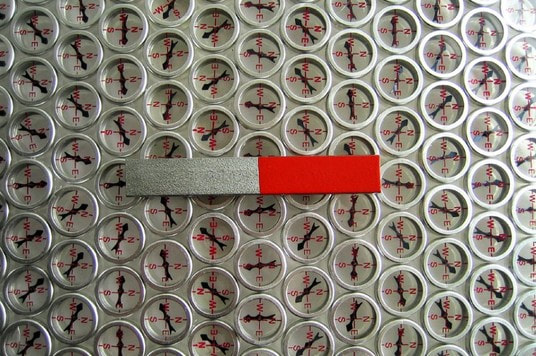
In this lesson, we are going to introduce the students with the science behind magnets and compasses. The key problem is, how do compasses work? We will construct a compass of our own with the students. Through observing the behavior of the compass, we will present the idea of earth's magnetic filed, the idea of how magnets can be magnetic, etc. 
magnets_and_compasses_-_lesson_plan.pdf
File Size: 353 kb
File Type: pdf
Download File

0 Comments

Detergents

2/13/2015

0 Comments

 
Picture
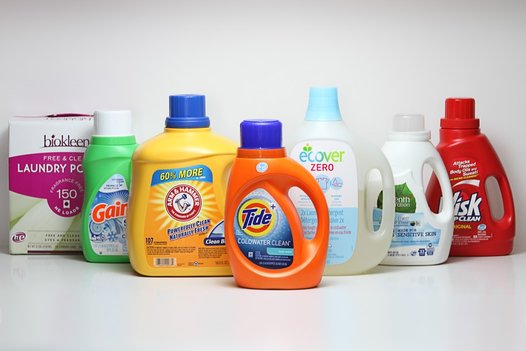
In this lesson, we are going to introduce the students to the science behind another everyday item - detergents. To present the whole picture of detergents to the students, we are going to use three seperate experiments:
        1. Mixture of oil and water with detergents as intermediary. (As presented in the 'if mixing is urgent' PDF)
        2. The movement of color in mild.(As presented in the 'On the Mooove' pdf)
        3. Testing Water's Skin.
The three experiments above will each present the characteristics of detergents and some practical issue or usage of them other than cleansing. ​
if-mixing-is-urgent-science-for-kids.pdf
File Size: 150 kb
File Type: pdf
Download File

on-the-moooove.pdf
File Size: 152 kb
File Type: pdf
Download File

testing-waters-skin.pdf
File Size: 149 kb
File Type: pdf
Download File

0 Comments

CSI

2/5/2015

0 Comments

 
Picture
In this lesson, we are going to introduce the students to the science behind Crime Scene Investigation (CSI). We are going to roleplay with the students impostering ourselves as crime scene investigator. The lesson is divided into 3 parts:
        1. Fingerprints;
        2. Identifying Unknown Substances;
        3. Genetic Analysis of DNA.
According to the time limits of your own, you can choose either part 1 or part 2 to conduct first, but make sure get to part 3.
After each part, the students should come up with their idea of who the suspect is, part 1 and part 2 will supposedly produce contradictory results but part 3 will be the definite prove of guilty.
the_science_of_crime_scene_investigation_-_lesson_plan.pdf
File Size: 152 kb
File Type: pdf
Download File

the_science_of_crime_scene_investigation_-_worksheet.pdf
File Size: 678 kb
File Type: pdf
Download File

0 Comments

Freezing Point Depression

1/29/2015

0 Comments

 
Picture
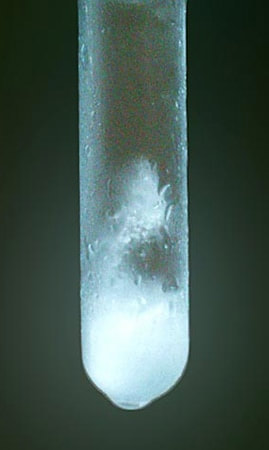
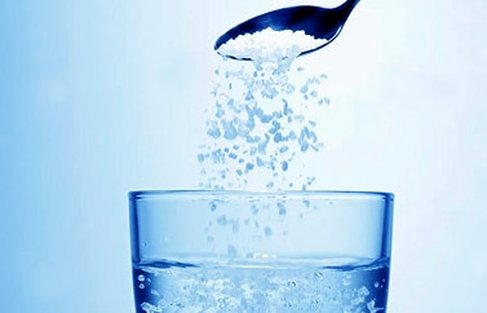
In this lesson, we are going to introduce the students to the principles behind freezing. More specifically, we are going to introduce the students to the idea of freezing with 3 focus:
  1. Molecular difference between liquids and solids;
  2. Understand freezing point depression in a solution;
  3. Practical implications of freezing point depression.
The lesson is divided into three major parts:
  1. Discussion over basic chemical and physical ideas such as element, dissolving etc.
  2. Melting Experiment: In this part, we are going to conduct an experiment on how different solvents impact the melting of ice and snow;
  3. Making Ice Cream!
freezing_point_depression_lesson_plan.pdf
File Size: 213 kb
File Type: pdf
Download File

freezing_point_depression_worksheet.pdf
File Size: 401 kb
File Type: pdf
Download File

0 Comments

Food chemistry

1/22/2015

0 Comments

 
Picture
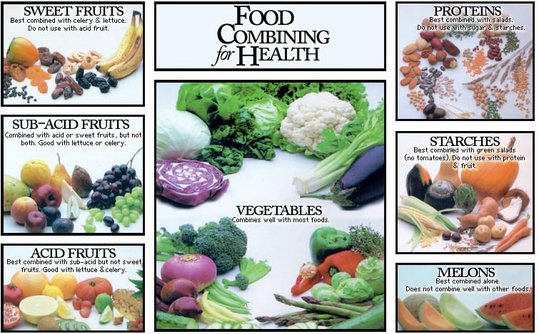
In this lesson, we are going to introduce the students to the chemistry behind the foods that we eat everyday. There are several key points in this lesson:
  1. People get energy from good, where does that energy come from?
  2. Foods store energy in different chemical compounds;
 The lesson is divided into two major parts to explore the topic:
  1. Testing for Carbohydrates: In this part, we are going to present the carbohydrates to the students with Starch in Food experiments; 
  2. Testing for fat: In this part, we are going to present the fat in food by the experiments of lipids - Grease spot test.
food_chemistry_lesson_plan.pdf
File Size: 129 kb
File Type: pdf
Download File

food_chem_worksheet.pdf
File Size: 11 kb
File Type: pdf
Download File

0 Comments

Solubility

1/15/2015

1 Comment

 
Picture
I​n this lesson, we are going to introduce the students to the idea of solubility. We are going to explore the topic starting from daily examples such as how do you clean oil or salt. Then introduce the idea of dissolve, the definition of solute and solvent to the students. Furthermore, we are going to talk briefly about the molecular principles behind different material's dissolving. The lesson is composed of four experiments:
        1. What does it mean to dissolve?
        2. Solubility of liquids;
        3. Solubility of solids into liquids;
        4. How do you wash oil from your hands?
solubility_lesson_plan.pdf
File Size: 253 kb
File Type: pdf
Download File

solubility_worksheet.pdf
File Size: 34 kb
File Type: pdf
Download File

1 Comment

Chromatography

1/8/2015

0 Comments

 
Picture
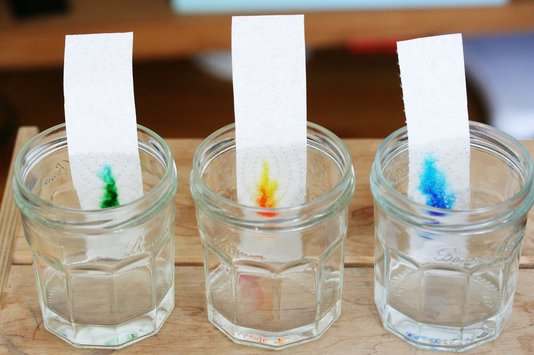
In this quarter, we are explore the physical and chemical world with the students. This week, we are going to introduce the students to the idea of chromatography - the method scientist used to isolate desired chemicals from mixtures. To explore the topic, we divided the lesson into two major parts:
  1. Marker Fingerprints: In this part, we are going to use chromatography to identify different fingerprints from several unknown samples and match them to different black marker brands;
  2. Candy Pigments: In this part, we are going to use chromatography to identify the exact pigment used to form the color of M&Ms and skittles.
With the two activities, we hope the students will get a basic idea of what chromatography is and realize how different the actual chemical and the appearance of the product is.
chromatography_-_lesson_plan.pdf
File Size: 361 kb
File Type: pdf
Download File

chromatography_-_worksheet.pdf
File Size: 336 kb
File Type: pdf
Download File

0 Comments

    Categories

    All
    1. Energy (2013 Winter)
    2. Space Science (2013 Spring)
    3. Food Science (2013 Fall)
    4. Engineering (2014 Winter)
    5. Programming (2014 Spring)
    6. Ecology (2014 Fall)
    7. Physics And Chemistry (2015 Winter)
    8. Engineering (2015 Spring)
    9. Food Science (2015 Fall)

Powered by Create your own unique website with customizable templates.
  • Home
  • Lessons
    • Archived Lessons (2012- 2015)
    • Archived Lessons (2016 - 2017)
    • Archived Lessons (2017 - 2025) >
      • ARCHIVED LESSONS- 2022-2023
      • WINTER 22
      • SPRING 22
      • AUTUMN 24
      • WINTER 25
      • SPRING 2025
      • FALL 2025
      • WINTER 2026
  • Photos
  • Make a Donation
  • Blog
  • FALL 2026